

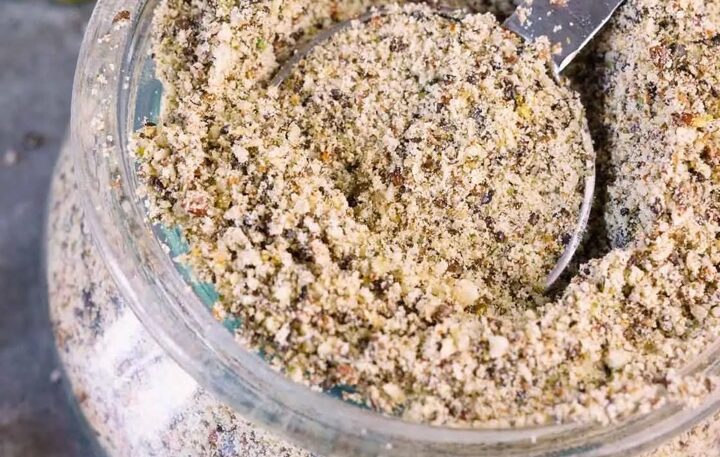
In recent years, more people have started questioning what exactly is inside their supplements. Protein powders — once considered a “clean fitness staple” — are now often criticized for containing artificial sweeteners, thickeners, flavoring agents, and heavily processed protein isolates.
As a result, a growing number of health-conscious people are turning toward a simpler idea: making their own plant-based protein powder from whole foods.
This approach is not only budget-friendly but also gives full control over nutrition, quality, and ingredient transparency.
Why Make Your Own Plant-Based Protein Powder?
Commercial protein powders are convenient, but convenience often comes at a cost. Many products on the market include:
- artificial sweeteners (sucralose, aspartame, acesulfame-K)
- flavor enhancers and synthetic aromas
- emulsifiers and stabilizers
- heavily processed protein isolates
- added sugars or sugar alcohols
While not all of these ingredients are inherently dangerous, they can be unnecessary—especially if your goal is clean, whole-food nutrition.
1. Full Control Over Ingredients
When you make your own protein powder, you decide exactly what goes in. No hidden fillers, no proprietary blends, no “mystery ingredients.”
This is especially important for people with:
- food sensitivities
- digestive issues
- allergies
- strict dietary preferences
You know what you’re consuming because you made it yourself.
2. Better Nutritional Quality
Whole plant foods contain more than just protein. They also include:
- fiber
- healthy fats
- minerals
- antioxidants
- phytonutrients
Unlike isolated protein powders, homemade blends preserve the natural balance of nutrients.
3. Cost Efficiency
High-quality plant-based protein powders can be expensive. In contrast, seeds and legumes bought in bulk are significantly cheaper per serving.
Over time, making your own blend can reduce supplement costs dramatically, especially for daily users.
4. Customization for Your Body
Everyone has different nutritional needs. Homemade protein powder allows you to adjust:
- protein density
- calorie content
- flavor profile
- digestibility
- micronutrient balance
This flexibility is something commercial products simply cannot offer.
Best Plant-Based Ingredients for Protein Powder
A strong DIY protein powder is not based on a single ingredient, but a combination of complementary plant proteins.
Here are some of the most effective options:
Hemp Seeds
One of the most complete plant proteins available.
- Contains all essential amino acids
- Rich in omega-3 and omega-6 fatty acids
- Easily digestible
- Mild, nutty flavor
Hemp seeds form an excellent base for any homemade blend.
Pumpkin Seeds
Highly nutritious and mineral-dense.
- High in protein
- Rich in magnesium, iron, and zinc
- Supports immune and metabolic health
They also add a slightly earthy taste and dense texture.
Sunflower Seeds
A budget-friendly protein source.
- High in vitamin E
- Contains selenium and healthy fats
- Good for skin and cellular health
Sunflower seeds help balance flavor and cost.
Chia Seeds
Not the highest in protein, but extremely valuable nutritionally.
- High fiber content supports digestion
- Rich in omega-3 fatty acids
- Helps improve satiety
They also help stabilize energy release from the blend.
Spirulina
A powerful microalgae often called a “superfood.”
- Extremely high protein concentration
- Contains iron, B vitamins, and antioxidants
- Strong detoxifying properties
Important note: spirulina has a strong taste, so it should be used in small amounts.
Simple Homemade Protein Powder Recipe
This is a balanced base formula you can adjust over time.
Ingredients:
- 1 cup hemp seeds
- ½ cup raw pumpkin seeds
- ½ cup raw sunflower seeds
- 2 tablespoons spirulina powder
- 1 tablespoon chia seeds
- Optional: cinnamon or vanilla for taste
Instructions:
- Add all ingredients to a high-speed blender or food processor.
- Blend in short pulses to avoid overheating the seeds.
- Continue until a fine, powder-like texture forms.
- Sift if needed for smoother consistency.
- Store in an airtight glass jar.
Storage:
- Keep in a cool, dry place
- Refrigeration extends freshness
- Use within 3–4 weeks for best nutrient quality
How to Use Your Homemade Protein Powder
You can easily incorporate it into your daily routine:
- smoothies (most common use)
- oatmeal or porridge
- yogurt alternatives
- baking (protein muffins, pancakes)
- energy balls or bars
A typical serving is 2–3 tablespoons per portion, depending on your nutritional goals.
Important Limitations to Understand
While homemade protein powder is powerful, it’s not a perfect 1:1 replacement for commercial supplements in every situation.
1. Protein Concentration
Store-bought powders often contain isolated protein (70–90% protein).
Homemade blends are more balanced but usually lower in protein density.
2. Digestibility Differences
Some seeds contain natural anti-nutrients (like phytic acid), which can slightly reduce mineral absorption. Soaking or sprouting seeds beforehand can help reduce this effect.
3. Flavor and Texture
Natural blends taste more earthy and less “neutral” than flavored commercial powders. This is a trade-off for purity.
Optimization Tips
If you want to improve your homemade protein powder further:
- lightly toast seeds before blending (enhances flavor)
- rotate ingredients monthly for broader nutrient intake
- add oats for extra carbohydrates if used as meal replacement
- include cocoa powder for a chocolate version
- use vanilla + cinnamon for a “smooth” flavor profile
Final Thoughts
Making your own plant-based protein powder is less about replacing supplements and more about reclaiming control over nutrition.
It’s a shift from processed convenience to intentional eating.
You may not get ultra-isolated protein percentages, but you gain something arguably more important:
- real food
- transparency
- nutrient diversity
- and long-term cost savings
For many people, this simple change becomes the first step toward a more conscious, stable, and sustainable approach to nutrition.

