

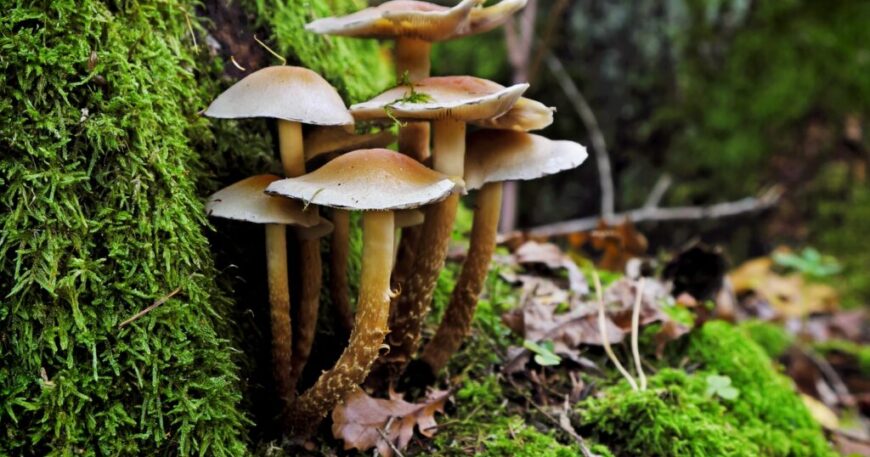
Mushrooms have been part of the human diet for tens of thousands of years. Archaeological evidence even suggests that early humans in the Upper Paleolithic era consumed fungi alongside plants, long before agriculture as we know it existed. Since then, mushrooms have quietly remained one of the most versatile ingredients in global cuisine — from simple button mushrooms in everyday meals to richly flavored portobellos used as meat substitutes.
However, in recent years mushrooms have moved far beyond the kitchen. Scientists, entrepreneurs, and designers are now rethinking fungi not just as food, but as a foundational material for solving some of the planet’s biggest environmental challenges. From alternative proteins to biodegradable leather, mushrooms are increasingly being positioned as a key resource in the transition toward a more sustainable economy.
This raises an interesting question: are we entering a new “age of fungi”?
Mushrooms as a Sustainable Food Revolution
Modern food systems are under immense pressure. Industrial animal agriculture consumes vast amounts of land and water, contributes significantly to greenhouse gas emissions, and is widely criticized for its environmental footprint. One of the most problematic emissions is methane, a gas more than 25 times more potent than carbon dioxide in terms of its warming impact. Cattle alone produce enormous quantities of methane annually.
Mushrooms, by contrast, offer a fundamentally different model. They require no livestock, produce no methane, and can be cultivated with relatively low environmental impact. Even more importantly, fungi play a restorative role in ecosystems. As they grow, they break down organic matter and return nutrients to the soil, effectively participating in natural regeneration cycles.
Some studies have even highlighted fungi’s role in carbon sequestration. In forest ecosystems, particularly in regions such as northern Scandinavia, fungi contribute significantly to the process of capturing and storing carbon in the soil. This means mushrooms are not only low-impact — they can actively support environmental recovery.
The commercial food industry has already begun to recognize this potential. Companies such as Quorn, which emerged in the 1980s, use mycoprotein derived from fungal fermentation to create meat alternatives that replicate the texture of animal protein. These products are now widely distributed through major retail and fast-food chains.
Other brands are expanding the category further by combining mushrooms with plant-based ingredients to produce meat substitutes that aim to replicate beef, pork, and poultry. As consumer demand for vegan and plant-forward diets continues to grow, the global mushroom market has expanded significantly and is projected to continue rising steadily over the coming years.
Wellness and the Rise of Functional Mushrooms
Beyond nutrition, mushrooms have also gained attention in the wellness industry, particularly in the form of so-called “functional mushrooms.” These include varieties such as lion’s mane, reishi, chaga, and cordyceps, which are commonly used in powders, teas, and supplements.
Interest in these fungi has been driven by both traditional practices and modern research. Some studies have suggested potential links between mushroom consumption and improved mental well-being, including reduced symptoms of anxiety and depression. Researchers often attribute these effects to antioxidants and bioactive compounds that may help reduce inflammation and oxidative stress in the body.
Entrepreneurs in the wellness space have built entire brands around these claims. For example, mushroom-based beverage companies promote products designed to support focus, sleep quality, and stress management. Consumers typically consume these mushrooms in powdered form, mixed into coffee, tea, or smoothies.
While scientific consensus is still developing, the growing popularity of functional mushrooms reflects a broader shift toward natural, plant-based approaches to health and mental wellness.
Mushroom Leather and the Transformation of Fashion
Perhaps the most surprising development in fungal innovation is its application in fashion and materials science. Traditional leather production, which is heavily tied to livestock farming, has long been associated with environmental degradation, including deforestation, water pollution, and high carbon emissions.
Cattle ranching in particular has been identified as a major driver of deforestation in sensitive ecosystems such as the Amazon rainforest. As global demand for leather products continues, concerns about environmental and ethical sustainability have intensified.
In response, researchers and designers have developed alternatives made from mycelium — the root-like network structure of mushrooms. Through controlled growth processes, mycelium can be cultivated into sheets that mimic the texture and durability of animal leather.
Luxury fashion has already begun experimenting with these materials. High-profile collaborations between innovative biomaterial companies and major fashion houses have resulted in mushroom-based handbags, footwear, and apparel. These products are often positioned as cruelty-free, biodegradable alternatives to conventional leather.
In parallel, sportswear and lifestyle brands have explored similar materials for sneakers and accessories, signaling that fungal-based textiles may eventually move from niche experimentation into mainstream production.
Industry projections suggest that bio-based leather markets could expand significantly in the coming years, driven by both sustainability concerns and technological advancement in biomaterial engineering.
Environmental Impact and Ethical Potential
The appeal of mushroom-based materials lies not only in their functionality but also in their environmental profile. Unlike conventional leather or synthetic plastics, mycelium-based materials can be produced with lower emissions and reduced reliance on fossil fuels or livestock agriculture.
Additionally, fungal materials are biodegradable, meaning they can return to the ecosystem without leaving long-term waste behind. This contrasts sharply with synthetic materials, which often persist in the environment for decades or centuries.
From an ethical standpoint, mushroom-based alternatives also reduce dependence on animal farming, addressing concerns about animal welfare in both food and fashion industries.
The Expansion of a Fungal Economy
Taken together, these developments point toward a broader shift: fungi are no longer being viewed solely as food, but as a multi-purpose biological platform. They are being used to create protein, medicine-adjacent wellness products, sustainable packaging materials, and even fashion items.
What makes mushrooms particularly powerful is their scalability. They can be cultivated in controlled environments, require relatively little space, and can be adapted to different industrial needs. This flexibility makes them an attractive foundation for innovation across multiple sectors.
Conclusion: Are We Entering the Age of Mushrooms?
Mushrooms are no longer confined to forests or dinner plates. They are entering laboratories, fashion studios, and wellness brands as a material with extraordinary versatility. Whether as a protein source, a mental health supplement, or a leather alternative, fungi are increasingly being positioned as a cornerstone of sustainable innovation.
While challenges remain — particularly around scaling production and verifying health claims — the momentum behind fungal technologies is undeniable.
If current trends continue, mushrooms may soon become one of the most important biological resources of the 21st century. Not just something we eat, but something we build with, wear, and design our future around.
